The High-Stakes Gamble of Breaking Up an LLC
The "Drop and Swap" is the most common solution to the most common problem in real estate partnerships: conflict.
You have a four-member LLC that owns an apartment complex. Two members want to sell and retire (cash out). Two members want to sell and 1031 exchange into a larger asset. Because a 1031 exchange must be done by the same taxpayer that sold the property, the LLC cannot sell the building and split the proceeds later. If the LLC sells, the cash stays inside the LLC, and the retiring partners cannot get their money without the exchanging partners paying tax.
The solution is the "Drop and Swap." The LLC distributes (drops) the property deed to the members as Tenants in Common (TICs) just before the sale. The members then go their separate ways—some sell for cash, others swap.
It sounds elegant. It is also one of the most litigated and scrutinized areas of 1031 law.
If executed poorly, the IRS can use the Step Transaction Doctrine to unwind the entire deal, arguing that the LLC—not the individuals—sold the property. If that happens, your 1031 exchange is disqualified, and you are hit with a retroactive tax bill, penalties, and interest.
This article details the specific audit triggers for 2026 and how to navigate the "Drop and Swap" minefield.
The Core Argument: "Held for Investment"
To qualify for Section 1031 treatment, you must prove that you held the property for investment purposes.
The IRS argues that if you receive a property deed from an LLC on Monday and sign a contract to sell it on Tuesday, you did not hold that property for investment. You held it for sale.
In the eyes of an auditor, the "drop" was just a momentary stop on the way to a cash-out. They contend that the true seller was the partnership, and because the partnership didn't buy a replacement property, the tax is due.
The "Step Transaction" Trap
The IRS uses a legal theory called the Step Transaction Doctrine to attack these deals. They argue that the "drop" (distribution to members) and the "swap" (sale to buyer) were not independent events but steps in a single, pre-arranged transaction.
If the IRS successfully collapses the steps:
- They ignore the deed transfer to you.
- They deem the LLC the true seller.
- Since the LLC distributed cash to some partners, the "exchange" is invalid.
- Result: The entire gain is taxable to the partnership, and the tax liability flows through to all partners—even the ones who thought they exchanged.
The "Red Flags": What Triggers an Audit?
In 2026, the IRS has become more sophisticated in identifying these transactions. Here are the three biggest red flags that invite scrutiny.
1. The Timeline (The "Old and Cold" Rule)
The longer you hold the property as a Tenant in Common after the drop but before the sale, the safer you are.
- The Gold Standard: Drop the property into TIC names at least 12 to 24 months before listing it for sale. This makes the ownership structure "old and cold."
- The Danger Zone: Dropping the property after a Letter of Intent (LOI) or Purchase and Sale Agreement (PSA) has already been signed. If the LLC signs the contract and then deeds the property to you, the IRS has a slam-dunk case that the LLC was the true seller.
2. Inconsistent Documentation
Nothing sinks a "Drop and Swap" faster than sloppy paperwork.
- The Flag: The sales contract lists "Main Street LLC" as the seller, but the closing statement lists "John Smith, Mary Jones, and Bob Doe" as sellers.
- The Fix: If you drop the property, the individuals must sign the listing agreement, the sales contract, and the deed. The LLC should be invisible in the transaction documents.
3. Form 1065 Disclosures
Recent updates to IRS Form 1065 (Partnership Tax Return) include specific questions about property distributions.
- The IRS now asks if the partnership distributed property to a partner who then contributed it to another entity or sold it shortly after.
- Answering "Yes" effectively raises a hand for an auditor to review the file. Answering "No" when you actually did a drop and swap constitutes perjury and potential fraud.
Good News from the Courts: The Hadar Ruling (2025 Context)
While the IRS is aggressive, the courts have recently sided with taxpayers in specific contexts.
A key case referenced by tax professionals in the 2025/2026 cycle is the Hadar matter (New York). In this ruling, the state tax appeals tribunal sided with the taxpayer, allowing a "Drop and Swap" even though the holding period was short.
The Winning Argument: The court focused on continuity of intent. The partners showed that they had held the property for investment through the LLC for years, and they continued to hold the replacement property for investment after the exchange. The court ruled that the change in the form of ownership (from LLC to TIC) did not break the continuity of the investment intent.
Note: While this is a powerful precedent, it is a state-level ruling. The IRS and the California Franchise Tax Board (FTB) generally take a stricter view than New York.
Best Practices: How to Structure a Safer Drop
If you cannot wait two years to sell, you can still execute a Drop and Swap, but you must be surgically precise.
1. Drop Before You Market
Ideally, distribute the deed to the members before you hire a broker or list the property. If the property is already listed, terminate the listing agreement with the LLC and sign a new one with the individual owners.
2. The "Gross Up" Rent Check
Once you become Tenants in Common, act like it.
- The tenants (renters) should be notified to pay rent to the new TIC owners, not the LLC.
- If that is logistically impossible, the LLC can collect the rent, but it must distribute the gross rent to the owners, who then pay the expenses individually. This paper trail proves you are truly operating as independent owners.
3. Pro Rata Distributions
Ensure the distribution of the property matches the membership percentages exactly. If Partner A owns 25% of the LLC, they must receive exactly a 25% TIC interest. Any variance can be viewed as a disguised sale or a "mixing bowl" transaction, triggering tax.
People Also Ask (FAQ)
Can we do a "Swap and Drop" instead? A "Swap and Drop" is the reverse: The LLC stays intact, does the exchange, buys the new property, and then distributes the new property to the members.
- Risk: This is generally considered riskier than a Drop and Swap. The IRS argues the LLC did not hold the new property for investment if it immediately distributed it. Most attorneys advise against this unless you can hold the new property in the LLC for 1-2 years before breaking up.
What is the "Cluster" or "Check-the-Box" strategy? This is a safer alternative for some. Instead of dropping to individuals, the LLC is divided into two new LLCs (using a "division" under partnership law). LLC A is owned by the exchanging partners; LLC B is owned by the cashing-out partners. LLC A then performs the exchange. This avoids the messy "Tenant in Common" issues but requires sophisticated legal drafting.
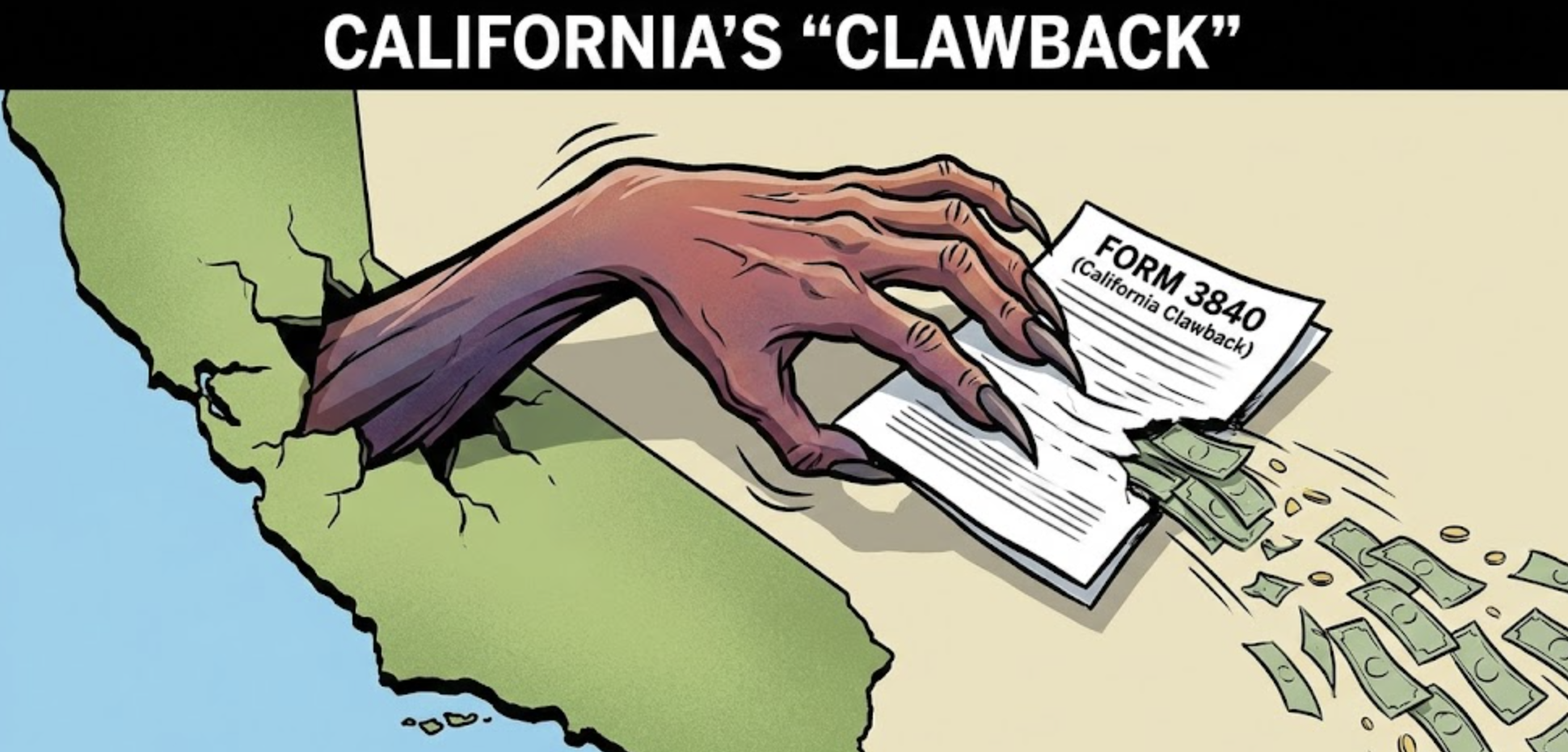
Does California have special rules for Drop and Swaps? Yes. The California Franchise Tax Board (FTB) is notoriously aggressive on this issue. They have a specific form (Form 3840) that tracks like-kind exchanges for properties leaving the state. They scrutinize Drop and Swaps heavily, often ignoring federal "intent" arguments and sticking strictly to form. If you are in California, assume you will be audited.
What happens if I get audited and lose? If the Drop and Swap is disallowed, the exchange is voided. The LLC is deemed to have sold the property for cash.
- You owe the capital gains tax (approx. 20-30% combined).
- You owe depreciation recapture (25%).
- You may owe "substantial understatement" penalties (20% of the tax due).
- Worst of all: Your cash is now trapped in the new property you bought, meaning you have to find the cash to pay the IRS from other sources.
Final Thoughts: The "Sleep at Night" Test
The "Drop and Swap" is a valid legal tool, but it is not a DIY project. The difference between a tax-free transaction and a financial disaster often comes down to the date on a deed or the wording in a purchase contract.
Key Takeaway: If you have partners who want to go separate ways, start the "Drop" process today. Do not wait for a buyer to show up. The calendar is your best defense against the IRS.